

Dr. Ellen Gutowski
Dr. Gutowski (She/her) is an Assistant Professor at University of Toronto. Her broad interests include promoting the well-being of underserved populations, understanding the role of psychosocial factors (stress, trauma, relationships) in mental health and functioning, and engaging in social justice/anti-oppression work within teaching and clinical practice. Her specific interests are intimate partner violence and developing trauma-informed systems of care. She is particularly committed to understanding how systems-level responses to those who are affected by intimate partner violence may either promote well-being or cause harm.
She is a scientist-practitioner and received her PhD from Boston College, served as a clinical fellow for two years at Massachusetts General Hospital/Harvard Medical School and completed her clinical residency at Emory School of Medicine.

Rawan Hedefa
Rawan is currently a first-year PhD student in Counselling and Clinical Psychology at the University of Toronto OISE. She holds a Master of Social Work and is a Registered Social Worker (RSW) in Ontario. Prior to beginning her doctoral training, Rawan completed a Master of Arts in Counselling and Clinical Psychology, as well as an Honours Bachelor of Science in Psychology and Neuroscience at the University of Toronto.
Rawan has extensive clinical experience providing psychotherapy and conducting comprehensive psychological and psychoeducational assessments across hospital, community, and private clinic settings. Her work has included supporting clients presenting with mood, anxiety, trauma-related, and personality-related concerns.
Her clinical and research interests centre on the mental health and lived experiences of LGBTQ+ Middle Eastern and North African (MENA) individuals, with a particular focus on identity development, cultural context, and resilience in the face of marginalization. She is especially interested in the impact of intimate partner violence, intergenerational trauma, and systemic oppression on mental health outcomes within these communities.
Her doctoral research uses qualitative methods to explore coping, resilience, and identity among LGBTQ+ MENA emerging adults in Canada. Rawan is committed to culturally responsive, affirming care and aims to bridge clinical practice and research to better support underserved and marginalized populations.

George Fazaa
George Fazaa is a Master’s student in the Clinical and Counselling Psychology (CCP) program (PhD track) at OISE, University of Toronto. His research interests align with trauma- and violence-informed approaches, with a particular focus on intimate partner violence (IPV), suicidality, and the lived experiences of individuals from marginalized communities. His MA thesis examines how 2SLGBTQ+ young adult survivors of IPV make meaning of their experiences with suicidality and coping.
George completed his Bachelor of Science (Honours) in Psychology and German at Dalhousie University, where he was awarded the University Medal in Psychology. He has contributed to multiple research projects across several labs, with work spanning mental health and flourishing, positive psychology, personality, adverse behaviours, and interpersonal violence. George has co-authored several peer-reviewed publications and has supported the development of an upcoming forensic psychology textbook through extensive literature review and editorial work.
His work is grounded in a commitment to equity-oriented and culturally responsive care, which is informed by both his academic training and lived experience. George is a recipient of the SSHRC Canada Graduate Scholarship – Master’s (CGS-M) and is an active member of professional organizations including the Canadian Psychological Association, Ontario Psychological Association, and the Society for the Scientific Study of Psychopathy.

Ida Dehmardan
Ida is a SSHRC-funded MA1 student in Clinical and Counselling Psychology at the University of Toronto. She graduated from the University of Guelph in 2025 with a BAH in Psychology and a minor in Family and Child Studies. Her undergraduate thesis used qualitative methods to examine the experiences of Canadian young adults who grew up with an incarcerated parent or caregiver, which sparked her interest in intimate partner violence and its intersections with family and legal systems.
During her undergraduate training, Ida contributed to research on child maltreatment, trauma, and the engagement of people with lived experience in research through roles at organizations including CAMH and Grand River Hospital. Following graduation, she worked at the Hospital for Sick Children, where she led a scoping review on patient and family engagement, as well as at the Canadian Mothercraft Society, where she contributed to research projects related to IPV and substance use, such as the Connections for Breaking the Cycle project. She has also been contributing to a paper through the University of Ottawa examining how people with lived experience of CEIPV can be meaningfully engaged in IPV research.
In the lab, Ida will work on a qualitative study examining family court judges’ experiences working with IPV survivors. Her broader research interests centre on IPV advocacy and forensic psychology, including risk assessment, family and legal systems, high-conflict relationships, incarceration, and professional decision-making in complex or high-risk contexts. She is particularly interested in how judges, police, clinicians, and other professionals assess risk, severity, credibility, functioning, and harm, as well as the intersections of IPV with injury, trauma, psychological assessment, and medicolegal decision-making.
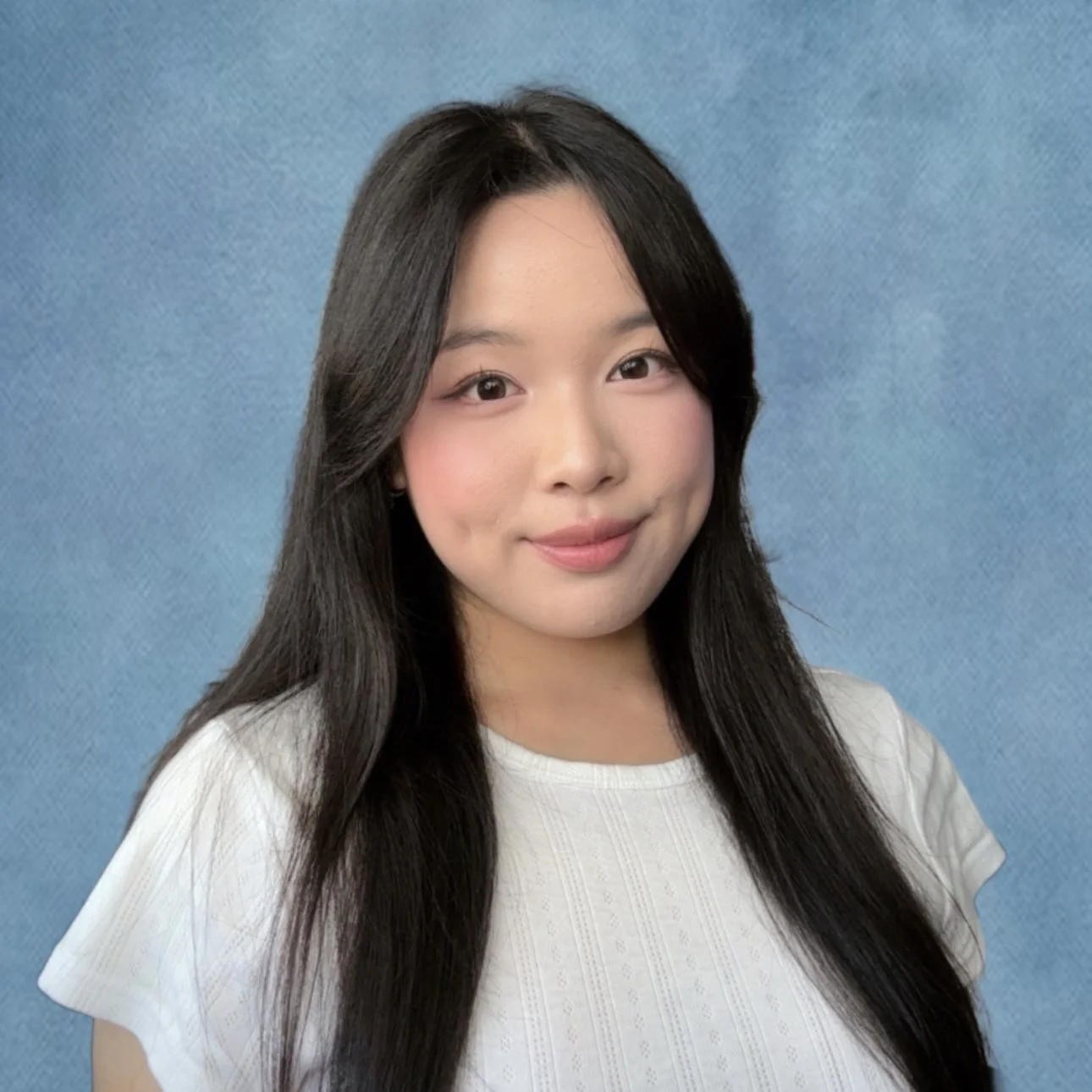
Angela Xiang
Angela is a first-year PhD student in the Counselling and Clinical Psychology program at the University of Toronto. Her research and clinical interests include PTSD and trauma-related disorders, specifically in the context of interpersonal relationships and marginalized communities. Her Master’s thesis examined survivors of intimate partner violence, and how survivors’ mental health and substance use status were weaponized by perpetrators as a form of coercive control.
Prior to her graduate studies, Angela completed an Honours BA in Psychology with a minor in French Studies at Toronto Metropolitan University. She also held a Research Analyst position at the Centre for Addiction and Mental Health, where she supported projects examining measurement-based, personalized antidepressant treatment for adult outpatients.
Angela is passionate about community-based care, and hopes to bridge evidence-based interventions with community practices to promote wellbeing in traditionally underserved populations.
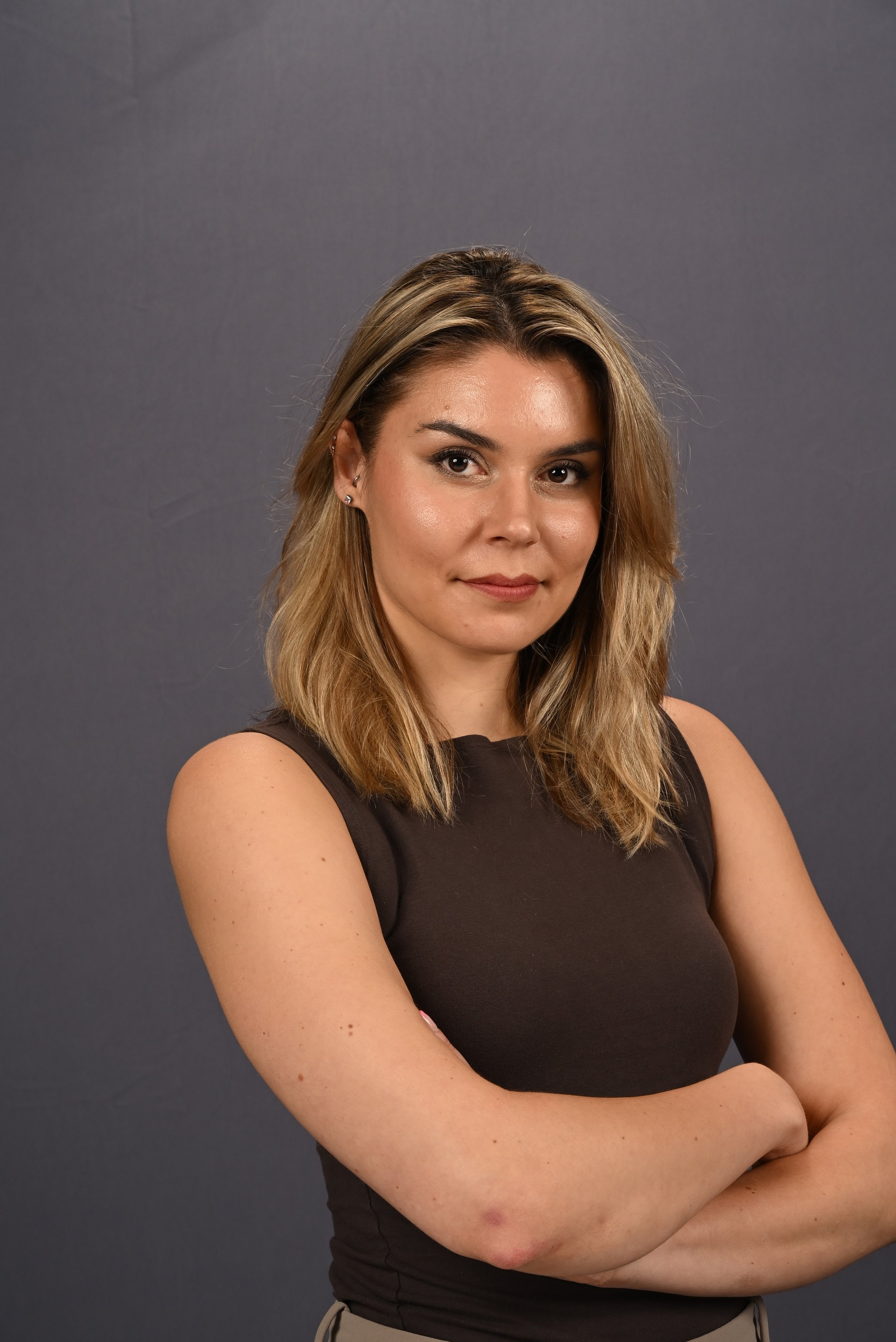
Shayla Shewchuk
Shayla is a PhD student in Counselling & Clinical Psychology at OISE, University of Toronto, supervised by Dr. Charles Chen. Her thesis examines career agency among Canadian women who have experienced psychological and emotional intimate partner violence, and her broader research interests include IPV and work, vocational and career agency, mental health, and equity and workplace inclusion. She is also a Graduate Research Assistant with Dr. Soo Min Toh's CRAWL lab at the Institute for Management and Innovation, UTM, where she works on VOICE, a project modelling workplace violence against nurses through surveys, interviews, and focus groups to help build cultures of care in healthcare organizations. She is also working on advancing trauma-informed approaches to qualitative methodology.
Shayla brings both clinical and crisis-response experience to her research. As a Student Clinician at the OISE Psychology Clinic, she provided trauma-informed, DBT- and CBT-based individual psychotherapy to adults, including intake, risk assessment, and safety planning. She has also volunteered and supervised at the Distress Centre Halton, where she is certified in trauma-informed crisis response and abuse-related support.
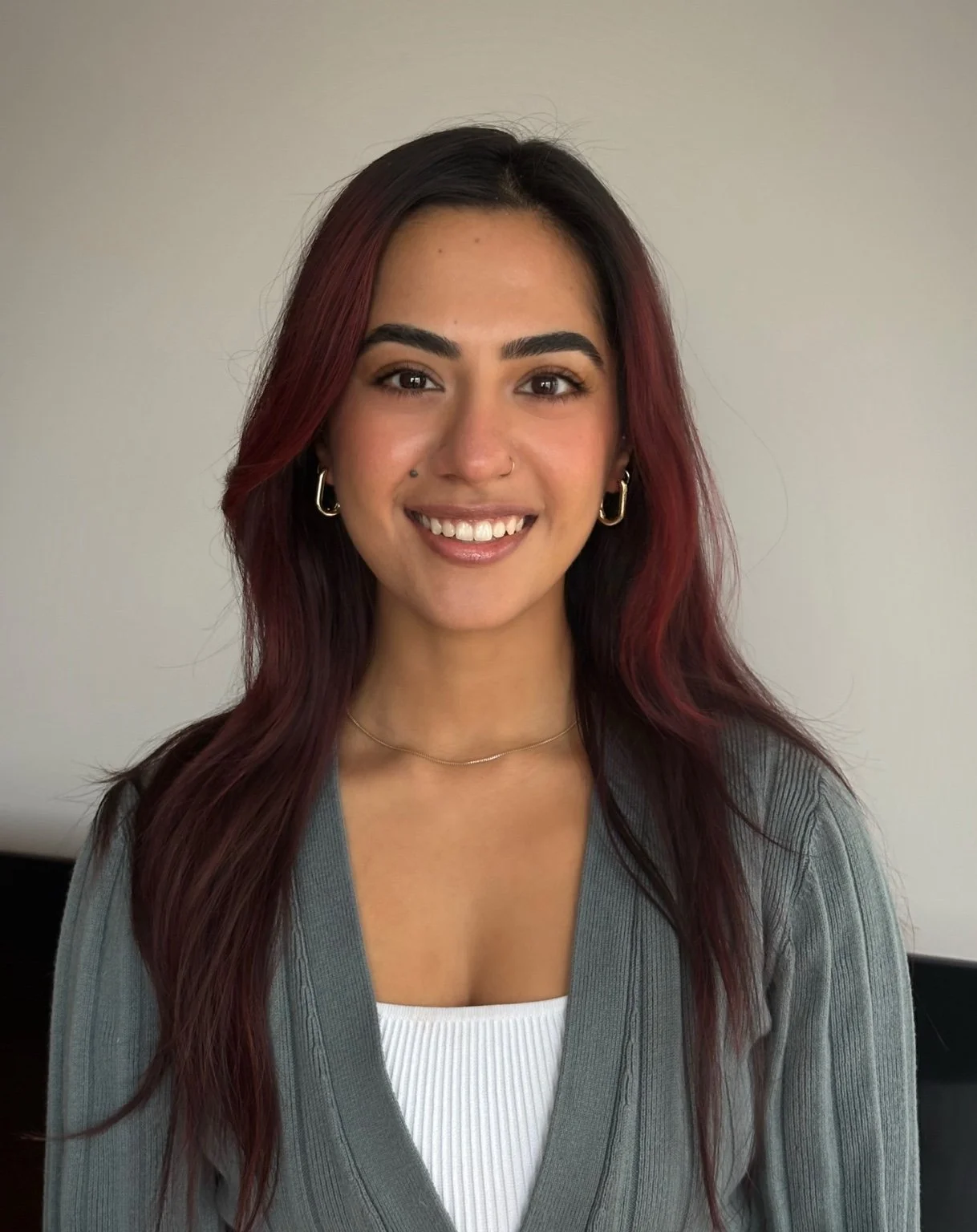
Aradhna Chawla
Aradhna completed her Bachelor of Arts in Psychology at the University of Alberta in 2020. She has worked extensively in community mental health, supporting individuals with complex psychosocial needs through program development, crisis response, and trauma-informed care.
Currently, she implements province-wide substance use recovery programming for Métis people across Alberta, with a focus on relational approaches that center lived experience and community context.
Within the Trauma-Informed Responses Research Group, she is involved in research examining clinician competence in supporting survivors of intimate partner violence, and contributes to work at McGill University exploring the social worlds of unhoused Inuit individuals.
Committed to integrating scientific rigor with community wisdom, Aradhna will begin graduate training in counselling psychology in Fall 2026, with the aim of strengthening evidence-based responses to trauma and violence in mental health systems.
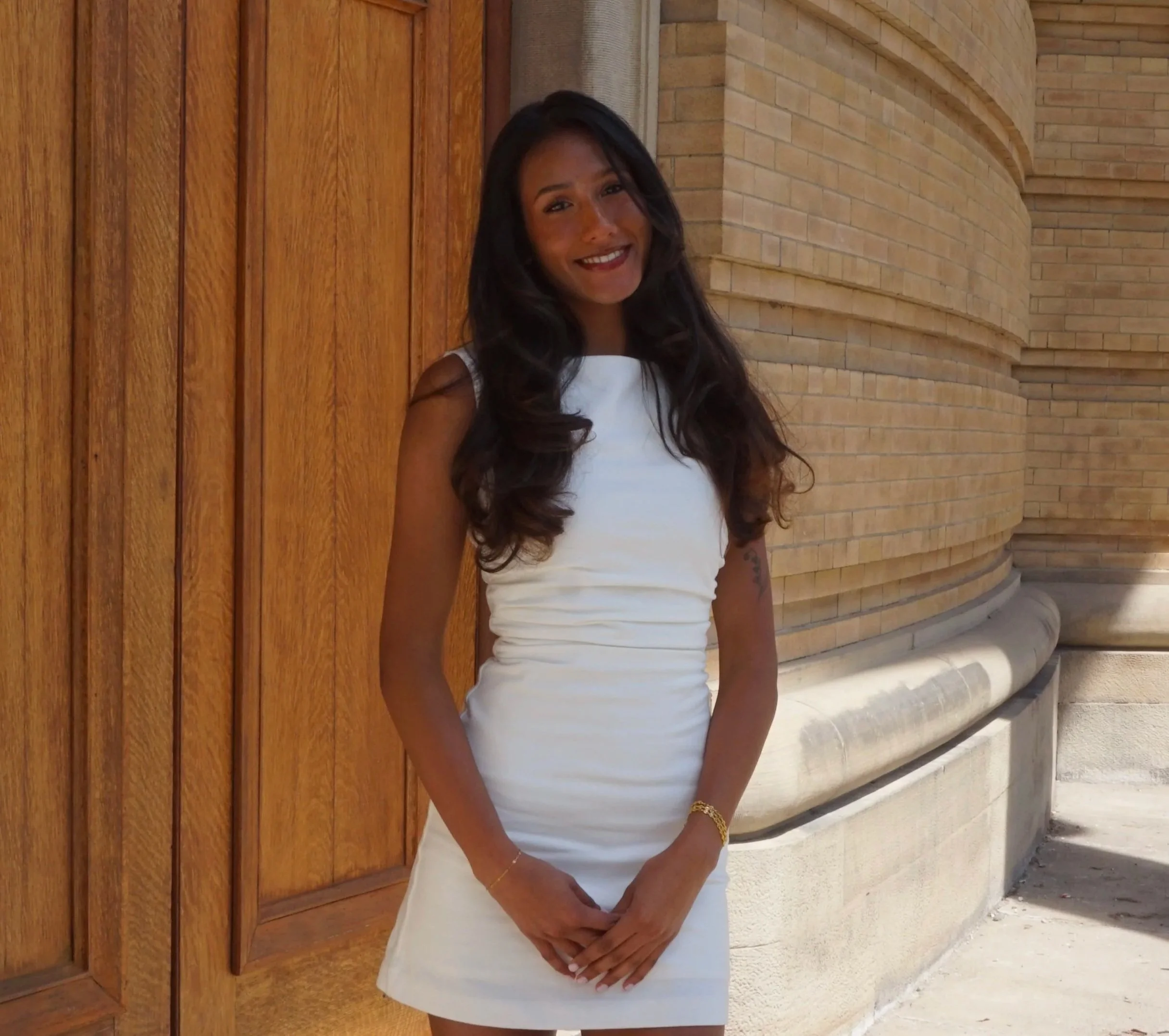
Simran Kupchand
Simran Kupchand (She/Her) is a first-year MEd student in the Developmental Psychology and Education (DPE) program at OISE. She just graduated with an Honours Bachelor of Science (HBSc) in Psychology at the University of Toronto, with minors in Forensic Science and Sociology. Her undergraduate independent research examined the relationships between body image satisfaction, social media use, mental health and gender identity, with a particular focus on 2SLGBTQ+ communities in comparison to cisgender populations.
Her research interests center on mental health, trauma, identity, and the experiences of individuals affected by interpersonal and systemic forms of violence. She is currently a research practicum student working on a project about intimate partner violence survivors' experiences with systems. Simran is highly interested in research and clinical work that considers the broader social and systemic factors shaping individuals’ mental health and wellbeing.
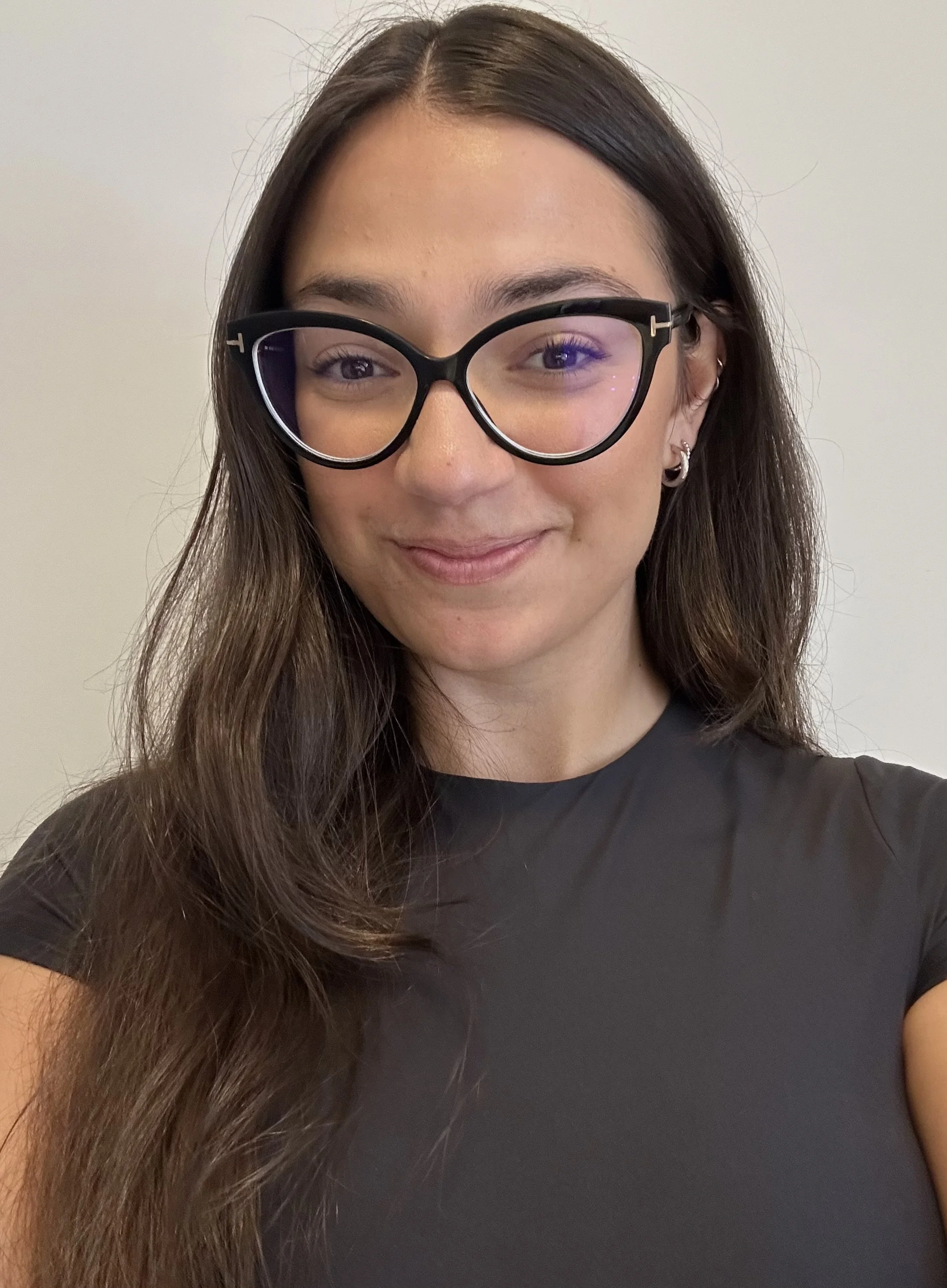
Mikayla Lisi
Mikayla (she/her) is a graduate of the M.Ed. program in Developmental Psychology and Education at OISE, and a HBSc graduate from The University of Toronto. Her primary research interests include understanding the effects of stress and trauma on development, cognition, behaviour, and both mental and physical health. She is passionate about promoting well-being through implementation of biopsychosocial interventions, and trauma-informed care practices. She aspires to pursue Clinical Psychology and focus on advancing research in these critical areas.

Chris Wong
Chris (he/him) is an incoming Master of Social Work student at the University of Toronto. His research interests focus on the mental health and well-being of 2SLGBTQ+ communities, particularly transgender and gender-diverse (TGD) individuals. His previous research examined motivations for wearing or not wearing gender-affirming gear and how these experiences relate to psychological well-being and identity development among TGD adults. He is currently contributing to qualitative research on survivors’ experiences accessing psychotherapy services. Moving forward, Chris hopes to expand his work to address the diverse needs of 2SLGBTQ+ populations and to contribute to more affirming, accessible, and responsive social work practice.
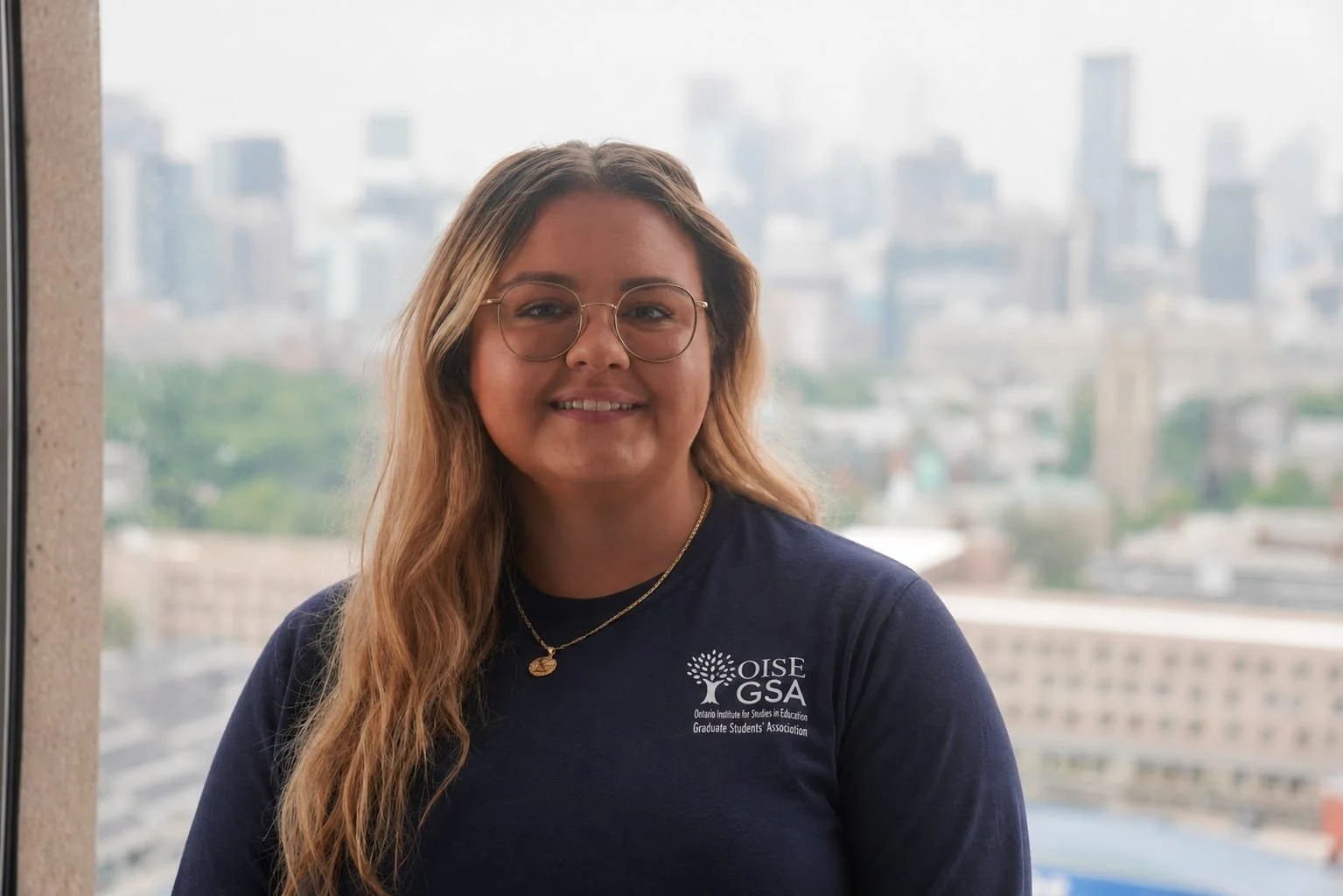
Meagan Muscat
Meagan Muscat (she/her) is a third-year Doctor of Education student in Counselling Psychology at OISE, University of Toronto, and a Registered Psychotherapist (Qualifying) with the CRPO. Her doctoral research focuses on Indigenous mental health and culturally responsive care by working alongside Elders and Traditional Knowledge Keepers to explore community understandings of mental health and pathways toward more culturally grounded and accessible services.
Meagan’s research and clinical interests centre on Indigenous mental health and wellbeing, trauma-informed and culturally responsive care, holistic approaches to healing, and the impacts of colonialism and systemic inequities on mental health. Her broader research experience includes work related to Indigenous health, suicide and self-harm, community-based research, and Indigenous research methodologies.
Her clinical work is grounded in relational, trauma-informed, and culturally responsive approaches to psychotherapy. Across her research and clinical practice, Meagan is committed to advancing mental health care that centres culture, community knowledge, lived experience, and the strengths of underserved and marginalized communities

Olivia Arbess
Liv recently graduated from Queen’s University in spring 2025 and is currently a volunteer in the Trauma-Informed Responses Lab. Her research interests lie at the intersection of women’s health, trauma-informed care, and the lived experiences of survivors of intimate partner violence (IPV). She is interested in exploring factors that contribute to effective interventions designed to support survivors. She hopes to contribute to research that centers survivors’ perspectives and explores how trauma-informed care practices can better support them. Her passion for women’s mental health deepened through her undergraduate research on women’s experiences of sexuality, particularly among those with low sexual desire. In her career, she hopes to build on this work, aiming to develop models linking sexual health and trauma recovery as interconnected areas of care. These experiences have inspired her to pursue research that deepens understanding of how sexuality and trauma intersect in the lives of women affected by IPV, with the goal of improving care practices and support systems for survivors. She is drawn to this work because it is where gendered power, trauma, and health inequity most urgently manifest.